Morning Review
Start your day by reviewing your schedule and identifying your top priorities. This simple practice helps you approach the day with clarity and intention.
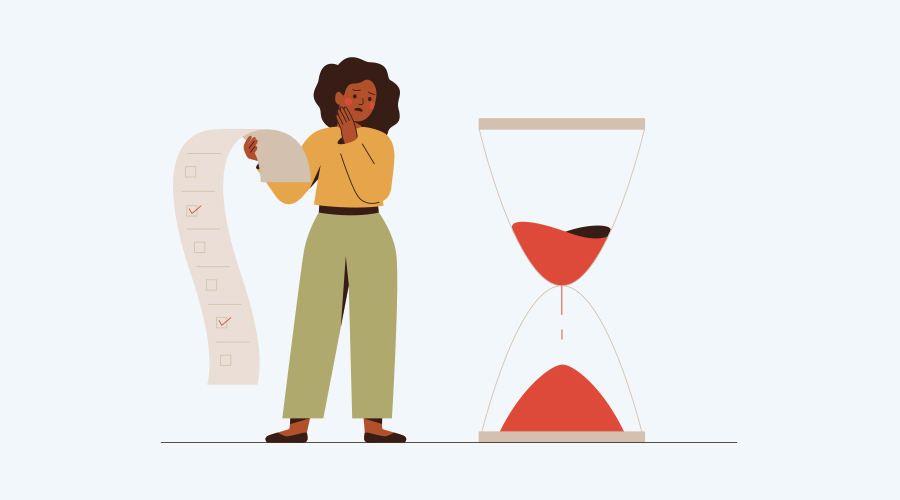
Practical approaches to organizing your day and managing your time
Start your day by reviewing your schedule and identifying your top priorities. This simple practice helps you approach the day with clarity and intention.
Allocate specific time periods for different types of activities. This method helps you dedicate focused attention to tasks without constant switching.
Spend a few minutes at the end of each day reviewing what you accomplished and preparing for tomorrow. This creates continuity in your planning.
Identify the most important tasks for each day and tackle them when your energy is highest. This ensures progress on what matters most.
Work in focused intervals with short breaks in between. This technique helps maintain concentration.
Group similar tasks together and complete them in one session. This reduces the mental effort of switching between different types of work.
If a task takes less than two minutes, do it immediately rather than adding it to your list. This prevents small tasks from accumulating.
Select planning tools that match your preferences, whether digital calendars, paper planners, or simple to-do lists. The best system is one you will actually use.
Begin with basic planning habits and gradually add complexity as needed. A simple system that you follow consistently is more valuable than an elaborate one you abandon.
Regularly assess what is working and what is not. Your planning system should evolve with your needs and circumstances.
Avoid scheduling every minute of your day. Leave buffer time for unexpected tasks and transitions between activities.
Be honest about how long tasks actually take. Underestimating time requirements leads to frustration and incomplete plans.
Build adaptability into your schedule. Rigid plans often fail when circumstances change, while flexible frameworks can accommodate variations.
Consider your natural energy patterns when planning. Schedule demanding tasks during your peak hours and lighter activities when energy dips.
Disclaimer: All materials and practices presented are for educational and informational purposes only and are intended to support general well-being. They do not constitute medical diagnosis, treatment, or advice. Before applying any practice, especially if you have chronic conditions, consult a qualified healthcare professional.